
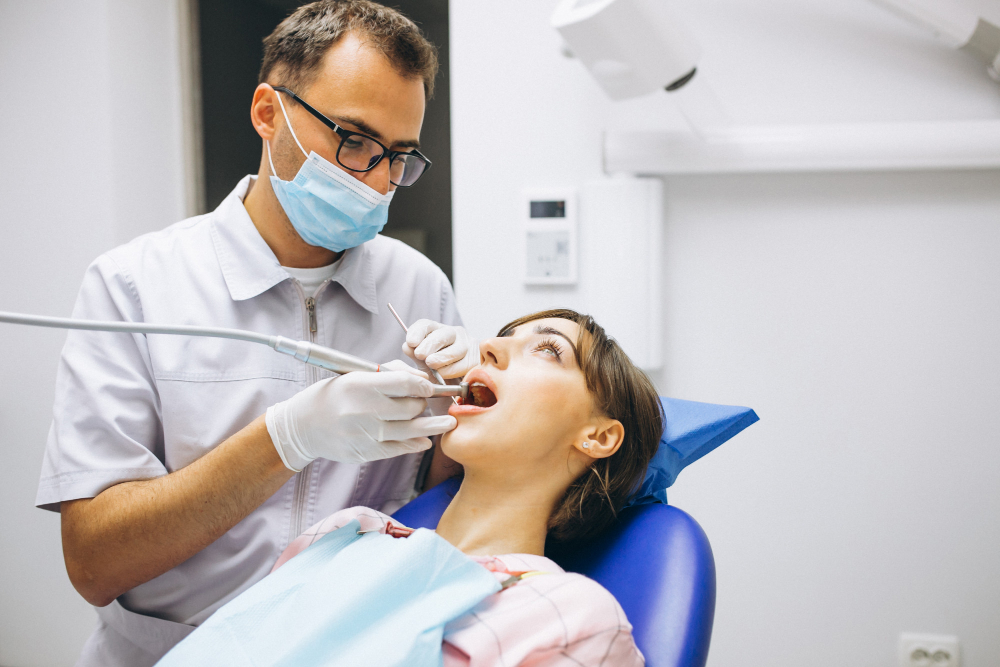
What is Single Sitting RCT?
Single Sitting RCT, or single sitting root canal treatment, is a dental procedure done in one visit. Usually, a root canal takes two or more appointments. However, with single visit root canal, your dentist cleans, shapes, and fills the tooth in just one session. This method is safe and effective for many patients. In fact, many people now ask for a root canal in one appointment to save time and avoid repeat visits.
Who Needs Single Sitting RCT?
Not everyone is a candidate for single sitting RCT. Still, many people can benefit from it. Dentists may suggest this treatment if:
However, your dentist will check your tooth and overall health before recommending a single sitting root canal.
Benefits of Single Sitting RCT
There are many benefits of single sitting RCT. For example, you save time and avoid multiple trips to the clinic. In addition, you may feel less anxiety since the treatment is over in one day. Here are some key advantages:
Because of these reasons, many people search for “single sitting RCT near me” to find a fast solution.
Step-by-Step Procedure
Although the process is quick, your dentist follows careful steps. Here is what usually happens during a single sitting root canal:
Most patients finish the treatment in about one to two hours.
Risks and Considerations
While single sitting RCT is safe for many, there are some risks. For instance, if the infection is severe, your dentist may need more than one visit. Also, some teeth have complex roots that need extra care. Therefore, your dentist will check your tooth and decide the best plan. Possible risks include:
Still, most people recover well and enjoy the benefits of single visit root canal.
Aftercare and Recovery Tips
After your single sitting RCT, you can usually return to normal activities soon. However, it is important to follow your dentist’s advice. Here are some simple tips for a smooth recovery:
With good care, your tooth can last for many years after a root canal in one appointment.
Frequently Asked Questions
For more information, you can visit trusted sources like the American Dental Association or the World Health Organization.
Consult Dr. Mohammed Raziuddin to find out if a single sitting RCT is right for you.