
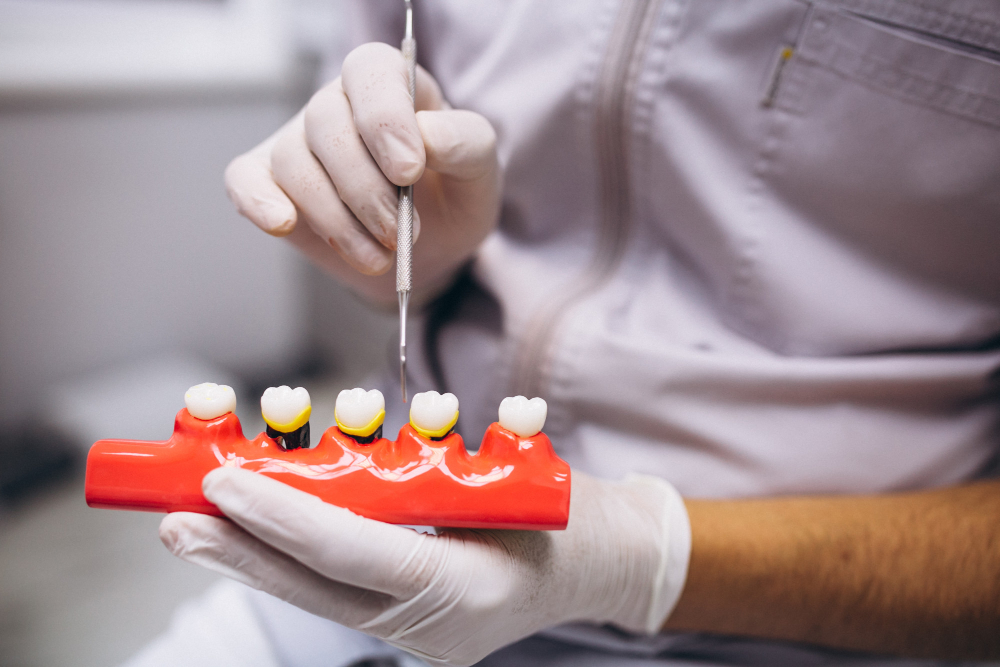
Dental Bridges: Types, Procedure, Benefits, and Aftercare

Dental bridges are a common way to replace missing teeth. They help restore your smile and make it easier to eat and speak. In this blog, you will learn what dental bridges are, the different types, how the procedure works, and how to care for your new bridge. Dental bridges can improve your oral health and confidence. Let’s explore everything you need to know about dental bridges.

What Are Dental Bridges?

Dental bridges are false teeth that fill gaps left by missing teeth. They are held in place by the teeth on either side of the gap. These supporting teeth are called abutment teeth. The false tooth in the middle is called a pontic. Usually, dental bridges are made from porcelain, metal, or a mix of both. Because they look and feel like real teeth, many people choose dental bridges for a natural smile.

Types of Dental Bridges

There are several types of dental bridges. Each type works best for different needs. Here are the main types:

  • Traditional Bridge: This is the most common type. It uses crowns on the teeth next to the gap to hold the bridge in place.
  • Cantilever Bridge: This type uses only one tooth next to the gap for support. It is used when there is only one natural tooth beside the missing tooth.
  • Maryland Bridge: This bridge uses a metal or porcelain framework. The framework is bonded to the back of the nearby teeth instead of using crowns.
  • Implant-Supported Bridge: This type uses dental implants instead of natural teeth for support. It is often used when several teeth are missing.
  • Each type of dental bridge has its own benefits and is chosen based on your dental needs.

    Who Needs a Dental Bridge?

    Anyone with one or more missing teeth may need a dental bridge. Missing teeth can make it hard to chew or speak. Over time, nearby teeth may shift into the empty space. This can cause bite problems or jaw pain. Therefore, a dental bridge can help:

  • Restore your smile
  • Make chewing and speaking easier
  • Keep your face shape
  • Prevent teeth from shifting
  • If you have healthy teeth or implants next to the gap, you may be a good candidate for a dental bridge.

    The Dental Bridge Procedure: Step-by-Step

    The dental bridge procedure usually takes two or more visits. Here is what you can expect:

  • First Visit: Your dentist will examine your mouth and take X-rays. Next, the teeth next to the gap are shaped to fit crowns.
  • Impressions: The dentist takes a mold of your teeth. This helps create a custom bridge that fits your mouth.
  • Temporary Bridge: While your permanent bridge is made, you may get a temporary bridge to protect your teeth and gums.
  • Second Visit: The dentist removes the temporary bridge and fits the new one. Adjustments are made for comfort and fit.
  • Final Placement: Once the fit is right, the bridge is cemented in place.
  • Some bridges, like implant-supported ones, may need more visits and healing time.

    Benefits of Dental Bridges

    Dental bridges offer many advantages. For example, they can:

  • Restore your ability to chew and speak
  • Improve your smile and confidence
  • Keep your teeth from shifting
  • Maintain the shape of your face
  • Distribute bite forces evenly
  • Because dental bridges are fixed in place, they feel more natural than removable dentures.

    Risks and Potential Complications

    While dental bridges are safe, there are some risks. These include:

  • Tooth decay under the crowns
  • Gum disease if you do not clean well
  • Bridge becoming loose or falling out
  • Sensitivity in the treated teeth
  • However, with good care and regular dental visits, most problems can be prevented. The American Dental Association recommends regular check-ups to keep your bridge healthy.

    Aftercare and Maintenance Tips

    Proper care is important for your dental bridge to last. Here are some tips:

  • Brush your teeth twice a day with a soft toothbrush
  • Floss daily, especially under the bridge
  • Use a special floss threader or water flosser
  • Visit your dentist for regular cleanings and check-ups
  • Avoid very hard or sticky foods that could damage the bridge
  • With good care, dental bridges can last 5 to 15 years or even longer.

    Frequently Asked Questions About Dental Bridges

  • How long do dental bridges last? With proper care, they can last many years, often 10 or more.
  • Do dental bridges look natural? Yes, modern bridges are made to match your natural teeth.
  • Is the procedure painful? Most people feel little pain. Your dentist will use local anesthesia to keep you comfortable.
  • Can I eat normally with a dental bridge? Yes, but it is best to avoid very hard or sticky foods.
  • How do I clean under my bridge? Use floss threaders or a water flosser to clean under the bridge daily.
  • If you are missing teeth, a dental bridge may be a good solution. Consult Dr. Mohammed Raziuddin to find out if dental bridges are right for you and to get personalized advice.