
Dental caries, also known as tooth decay or cavities, are one of the most common dental problems worldwide. In fact, dental caries affect people of all ages, from children to adults. Because untreated dental caries can lead to pain, infection, and even tooth loss, early detection and care are important. This blog will help you understand dental caries, their causes, symptoms, diagnosis, treatment, and how to prevent them. You will also find practical oral hygiene tips to keep your teeth healthy.
What Are Dental Caries?
Dental caries are areas of damage on the hard surface of your teeth. Usually, these spots start as small holes or pits. Over time, they can grow bigger if not treated. Dental caries happen when bacteria in your mouth make acids that break down tooth enamel. As a result, cavities form and may cause pain or sensitivity. Dental caries are also called tooth decay or cavities.
Causes of Dental Caries
There are several reasons why dental caries develop. Most often, they are caused by a mix of bacteria, sugary foods, and poor oral hygiene. However, other risk factors can also play a role. Understanding these causes can help you prevent tooth decay.
According to the World Health Organization (WHO), dental caries is a major health concern globally.
Symptoms of Dental Caries
Early dental caries may not cause any pain. But as the cavity grows, you may notice some signs. It is important to watch for these symptoms so you can seek help early.
If you notice any of these cavity symptoms, visit your dentist soon.
Diagnosis of Dental Caries
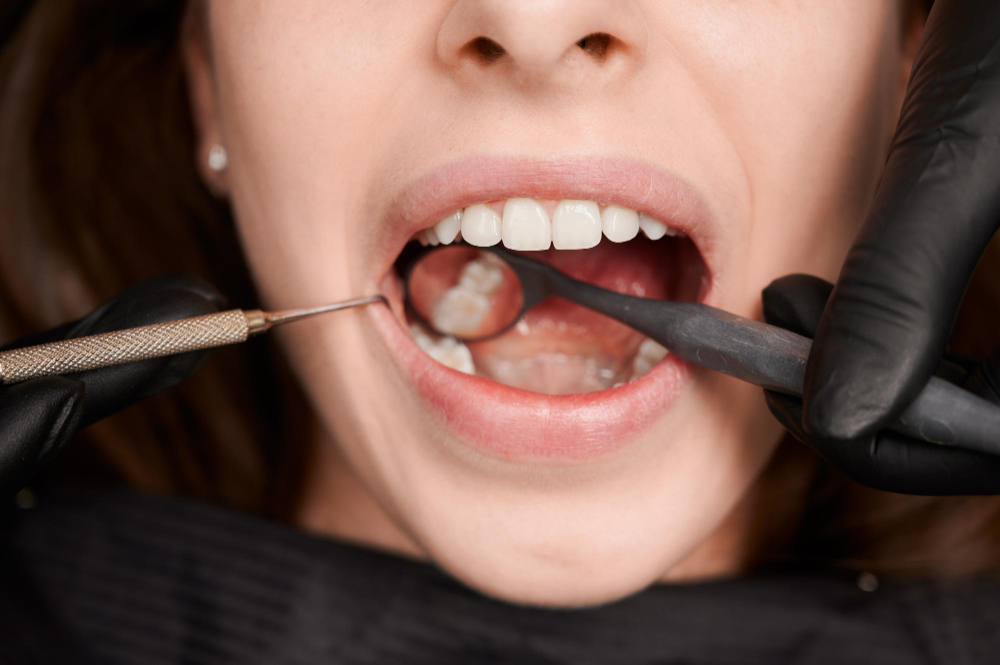
Dentists use several methods to find dental caries. First, they will ask about your symptoms and dental habits. Next, they will check your teeth and gums during an exam. Sometimes, they use special tools to look for soft spots or holes. In addition, dental X-rays can show hidden cavities between teeth or under fillings. Early diagnosis helps prevent further damage and makes treatment easier.
Treatment Options
Treating dental caries depends on how severe the decay is. Early-stage cavities may be reversed with fluoride treatments. However, deeper cavities need more care. Here are common ways dentists treat dental caries:
For those seeking dental caries treatment in your area, ask your local dentist about the best options for you.
Prevention Tips
Preventing dental caries is possible with good habits. Because tooth decay prevention is easier than treatment, follow these tips every day:
According to the Centers for Disease Control and Prevention (CDC), these steps can greatly lower your risk of cavities.
Lifestyle and Oral Hygiene Guidance
Healthy habits support strong teeth and gums. For better oral health, try these daily oral hygiene tips:
With these simple steps, you can keep your smile healthy and bright.
In summary, dental caries are common but preventable. Early care and good oral hygiene can protect your teeth for life. Consult a dentist at Dr. Mohammed Raziuddin for personalized advice and early treatment of dental caries.