What Is Teeth Cleaning?
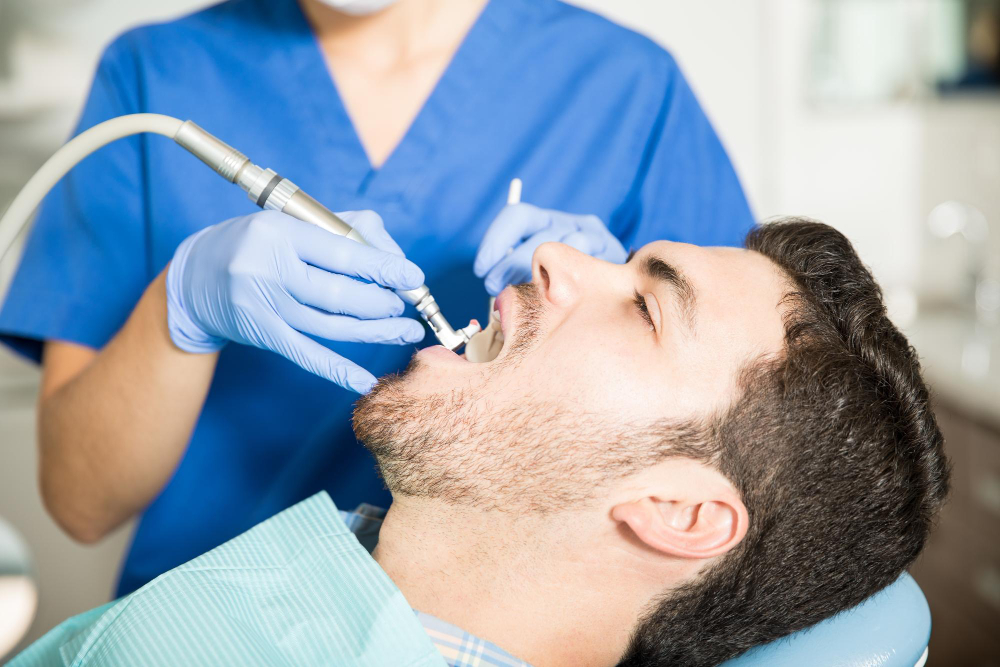
Teeth cleaning is the process of removing plaque and tartar from your teeth. Plaque is a sticky film of bacteria. If not removed, it can harden into tartar. Both can harm your teeth and gums. Usually, teeth cleaning is done at home and by a dentist. For example, brushing and flossing are at-home methods. However, professional dental cleaning uses special tools for a deeper clean.
Why Is Teeth Cleaning Important?
Regular teeth cleaning keeps your mouth healthy. It helps prevent cavities, gum disease, and bad breath. In addition, clean teeth look better and feel fresh. According to the CDC, good oral hygiene lowers your risk of tooth loss. Moreover, it can even help protect your overall health. Some studies link gum disease to heart problems. Therefore, cleaning your teeth is important for your whole body.
Common Methods of Teeth Cleaning
There are two main ways to clean your teeth. First, you can clean them at home. Second, you can visit a dentist for a professional dental cleaning. Both are important for good oral health.
Step-by-Step Professional Teeth Cleaning Procedure
Professional dental cleaning is safe and simple. Here is what usually happens during a visit:
After the cleaning, your mouth feels fresh and clean. Most people need professional cleaning every six months.
Benefits of Regular Teeth Cleaning
There are many benefits to regular teeth cleaning. For instance, it helps prevent tooth decay and gum disease. Also, it keeps your breath fresh and your smile bright. In addition, regular cleaning can save you money by avoiding costly dental treatments later. According to the WHO, good oral hygiene supports your overall health. Therefore, making teeth cleaning a habit is wise.
Risks of Neglecting Teeth Cleaning
If you skip teeth cleaning, problems can develop. Plaque and tartar can build up, leading to cavities and gum disease. Over time, you may lose teeth or develop painful infections. Furthermore, poor oral health can affect your heart and other parts of your body. For these reasons, it is important not to neglect teeth cleaning.
Tips for Effective At-Home Teeth Cleaning
Cleaning your teeth at home is easy with the right steps. Here are some oral hygiene tips to help you:
With these steps, you can keep your teeth clean and healthy at home.
Prevention of Dental Problems Through Teeth Cleaning
Regular teeth cleaning is the best way to prevent dental problems. For example, it stops cavities and gum disease before they start. In addition, it helps you avoid pain and costly treatments. By cleaning your teeth every day and visiting your dentist, you protect your smile for life. Remember, prevention is always better than cure.
Conclusion
In summary, teeth cleaning is key to good oral health. Both at-home care and professional dental cleaning matter. For a healthy smile, follow these oral hygiene tips and see your dentist regularly.
Consult Dr. Mohammed Raziuddin for personalized teeth cleaning advice.