
Introduction
Gum inflammation and bleeding are common dental problems. Many people notice bleeding gums when brushing or flossing. Early signs of gum disease often include these symptoms. If left untreated, gum inflammation can lead to more serious issues. In this blog, you will learn about gum inflammation, bleeding gums, gum disease symptoms, and how to stop gum bleeding. Understanding these topics can help you keep your mouth healthy.
What is Gum Inflammation & Bleeding?
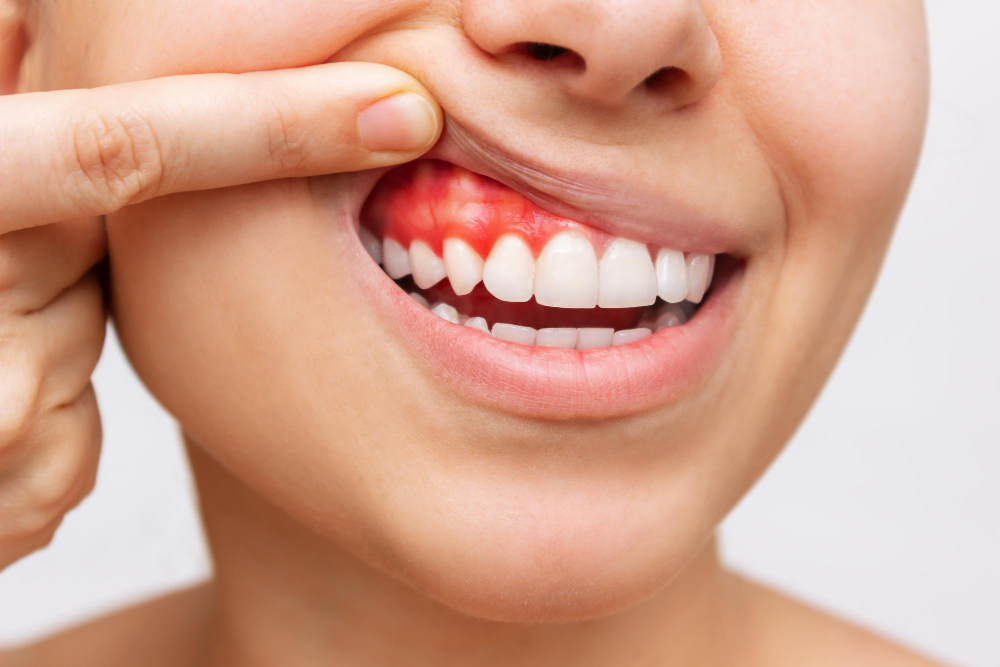
Gum inflammation means your gums are swollen, red, or sore. Bleeding gums happen when your gums bleed easily, often during brushing or flossing. Both signs may point to gum disease. However, sometimes they can be caused by other factors. Healthy gums should not bleed or feel swollen.
Common Symptoms
Recognizing gum disease symptoms early is important. This can help prevent further problems. Look for these signs:
If you notice any of these symptoms, it is wise to see a dentist soon.
Main Causes
Several factors can cause gum inflammation and bleeding. Most often, poor oral hygiene is the main reason. However, other causes may include:
Because many causes are preventable, good oral care is very important.
Diagnosis Methods
Early diagnosis helps prevent serious gum disease. Dentists use several methods to check for gum inflammation and bleeding. For example, they may:
With these steps, dentists can find the cause and suggest the right treatment.
Treatment Options
There are many ways to treat gum inflammation and bleeding. The right treatment depends on the cause and how severe the problem is. Common options include:
For severe cases, your dentist may suggest other treatments. Early care often leads to better results.
Lifestyle and Home Care Tips
Good habits can help stop gum bleeding and reduce inflammation. Try these tips at home:
With these steps, you can support your gum health every day.
Prevention Strategies
Preventing gum inflammation and bleeding is easier than treating it. You can protect your gums by:
Because prevention is key, make these habits part of your routine.
When to See a Dentist
Sometimes, home care is not enough. You should see a dentist if:
Early dental visits can prevent serious problems. Do not wait if you have concerns about your gums.
Consult Dr. Mohammed Raziuddin for personalized advice on gum inflammation and bleeding.