Introduction
Dry mouth (xerostomia) is a common problem that affects many people. It happens when your mouth does not make enough saliva. Because saliva helps keep your mouth healthy, a dry mouth can cause discomfort and other issues. Anyone can get dry mouth, but it is more common in older adults and people taking certain medicines. In this blog, you will learn about the causes, symptoms, and best ways to find relief from dry mouth (xerostomia).
What Is Dry Mouth (Xerostomia)?
Dry mouth, also called xerostomia, means your mouth feels dry and sticky. This happens when your salivary glands do not make enough saliva. Saliva is important because it helps you chew, swallow, and speak. It also protects your teeth from decay. Without enough saliva, your mouth can feel uncomfortable and your oral health may suffer.
Common Symptoms of Dry Mouth
Many people notice signs of dry mouth right away. However, some symptoms can be mild at first. Watch for these common signs:
If you notice these symptoms often, it may be time to seek help.
Causes and Risk Factors
There are many causes of dry mouth. Some are temporary, while others last longer. Here are the most common reasons:
Because the causes vary, it is important to find out what is behind your symptoms.
How Is Dry Mouth Diagnosed?
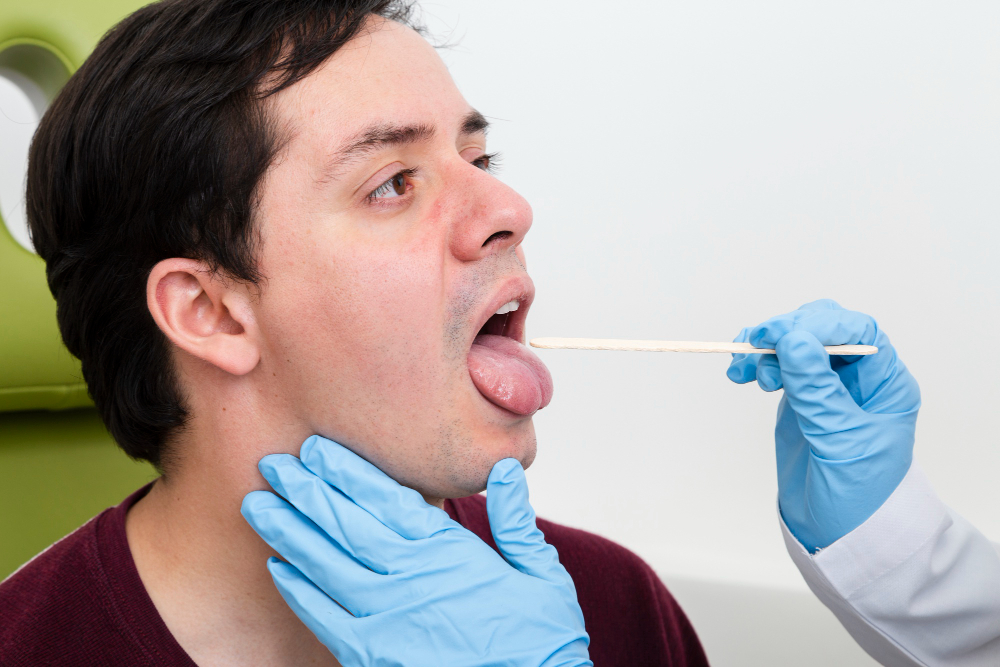
First, your dentist or doctor will ask about your symptoms and medical history. They may check your mouth for signs of dryness or tooth decay. Sometimes, they will measure how much saliva you make. In some cases, blood tests or scans help find the cause. Early diagnosis can help prevent problems like cavities or infections.
Treatment Options for Dry Mouth
Treatment depends on the cause of your dry mouth. However, there are several ways to get relief:
It is important to follow your healthcare provider’s advice for the best results.
Lifestyle Tips and Home Remedies
Besides medical treatments, simple changes can help ease dry mouth. For example:
These steps can make a big difference in your comfort and oral health.
Prevention Strategies
While not all cases of dry mouth can be prevented, you can lower your risk. Try these tips:
Taking these steps can help protect your mouth and keep you feeling your best.
When to See a Dentist or Doctor
If your dry mouth lasts more than a few days or gets worse, it is time to seek help. Also, see a dentist or doctor if you have trouble eating, speaking, or swallowing. Early treatment can prevent tooth decay and other problems. Remember, your healthcare provider can help find the cause and suggest the best dry mouth treatment for you.
If you experience persistent dry mouth, consult Dr. Mohammed Raziuddin for personalized advice.